
Concrete Solutions Built for Concord's Evolving Property Landscape
Why Concord Properties Demand Concrete That Performs
Residential properties across Concord span nearly seven decades of construction, from mid-century ranch homes built during the postwar housing boom to contemporary infill developments rising along major corridors. That range creates a wide spectrum of concrete conditions. Older driveways and walkways poured in the 1950s and 1960s were often installed without the subgrade preparation methods used today, and decades of soil movement beneath them has produced cracking, heaving, and surface deterioration that compromises both function and curb appeal. Newer subdivisions face their own pressures as freshly graded lots settle unevenly during the first several years after construction, sometimes revealing control joint failures or slab deflection that was not visible at completion. The Mediterranean climate adds another variable. Hot, dry summers pull moisture from expansive clay soils and cause contraction, while winter rains reverse the cycle with swelling that pushes against slabs and footings from below. Properties situated on hillside lots or near the base of Mount Diablo see amplified drainage challenges that accelerate wear on flatwork, retaining structures, and foundation perimeters. For homeowners managing these realities, the difference between concrete that holds up and concrete that fails within a few seasons often comes down to whether the installer understood the ground conditions specific to the lot before forming a single board.
Matching Concrete to Concord's Unique Conditions
Maintaining concrete across a property with mixed-age improvements requires a contractor who can evaluate what already exists before recommending what comes next. A driveway poured forty years ago may sit on compacted fill that has shifted, while the patio added fifteen years later could rest on completely different subsoil conditions just thirty feet away. Each surface carries its own history of loading, drainage exposure, and maintenance, and treating them all the same leads to uneven outcomes. Concord lots also tend to carry significant tree root activity, particularly in established areas where mature oaks and other species have had decades to expand beneath sidewalks and walkways. Root intrusion lifts panels, cracks edges, and creates trip hazards that become liability issues if left unaddressed. Addressing these situations effectively means understanding not just how to pour concrete but how to prepare a site that accounts for what is happening underground. The right approach includes proper base compaction adjusted for local clay behavior, strategic joint placement that anticipates seasonal movement, and thickness specifications matched to actual load requirements rather than generic minimums. When those elements come together correctly, the result is concrete that stays level, drains properly, and resists the cracking patterns that force premature replacement across so many properties in the East Bay.
Driveways, Walkways, and Flatwork for Concord Homes
Flatwork is the most visible concrete on any property and the most exposed to daily wear. Driveways in Concord handle vehicle traffic year-round on surfaces that bake in summer heat and absorb moisture during wet months, creating a constant expansion and contraction cycle in the slab and the soil beneath it. Walkways connecting front entries to sidewalks endure foot traffic, irrigation runoff, and root pressure from adjacent landscaping. Patios in rear yards serve as outdoor living spaces that need to drain properly while maintaining a level, attractive surface. Each of these applications requires attention to base preparation, appropriate slab thickness, and control joint layout that reflects the specific dimensions and load expectations of the pour. In older areas of Concord where original flatwork has reached the end of its service life, full removal and replacement is often the most cost-effective path forward. Surface patching and overlay systems work well on structurally sound slabs with cosmetic damage, but they cannot correct subgrade problems or structural deficiencies that have developed over decades. The key decision point is the condition of the base material underneath. When subgrade has failed, no surface treatment will provide lasting results. A thorough evaluation before starting work prevents wasted investment and ensures the new concrete performs as intended for decades rather than years.
Foundation and Structural Concrete in Concord
Foundation work in Concord addresses everything from new residential footings to repair and stabilization of existing structures showing signs of movement. The clay-rich soils common throughout central Contra Costa County create seasonal volume changes that place persistent lateral and vertical stress on foundation walls and footings. Homes built before modern geotechnical standards were widely adopted often lack adequate footing depth or reinforcement to resist this movement, and over time the evidence appears as cracked interior walls, sticking doors, or visible separation between structural elements. New foundation pours for additions, accessory dwelling units, and garage conversions require careful soil analysis and engineered designs that account for site-specific conditions rather than generic templates. Retaining walls on sloped lots must be designed with proper drainage systems to prevent hydrostatic pressure buildup behind the wall, which is the primary failure mechanism in this soil type. Whether the scope involves pouring new stem walls for a room addition, stabilizing a settling foundation with piers, or constructing a retaining system to manage grade changes, the work demands accurate site evaluation and installation methods calibrated to local ground behavior. Shortcuts in foundation work are invisible at completion but reveal themselves within a few seasonal cycles when the soil begins its next round of expansion and contraction.
Decorative and Stamped Concrete Options
Decorative concrete gives Concord homeowners a way to upgrade outdoor surfaces without the maintenance demands and cost of natural stone or paver systems. Stamped concrete patios and pool decks replicate the appearance of slate, flagstone, or brick at a fraction of the material and labor cost, while stained concrete transforms plain gray slabs into surfaces with rich color depth that complements the architectural style of the home. The warm earth tones popular across the East Bay work particularly well with the Mediterranean and California ranch aesthetics found throughout Concord neighborhoods. Pattern selection matters beyond appearance. Certain stamp patterns provide more surface texture, which improves slip resistance on pool decks and entryways that get wet during rain or irrigation cycles. Color choices also affect long-term maintenance, as lighter shades show fewer surface blemishes while darker tones absorb more heat during summer months. Sealer selection and application frequency directly influence how well decorative finishes hold up against UV exposure and temperature swings common in the inland East Bay climate. The most durable decorative installations start with the same rigorous subgrade preparation required for any structural pour. Appearance enhancements applied over a poorly prepared base will crack and delaminate regardless of how well the surface finishing was executed. Investing in proper groundwork protects both the structural integrity and the visual quality of the finished product.
Comprehensive Concrete Services in Antioch
Tailored to Your Needs
We offer a complete range of residential and commercial concrete services throughout Antioch and the surrounding East Contra Costa County area. Every project starts with a thorough site evaluation to assess soil conditions, drainage requirements, and structural needs specific to your property. From decorative stamped patios to heavy-duty commercial flatwork, our team has the experience and equipment to handle any concrete project.
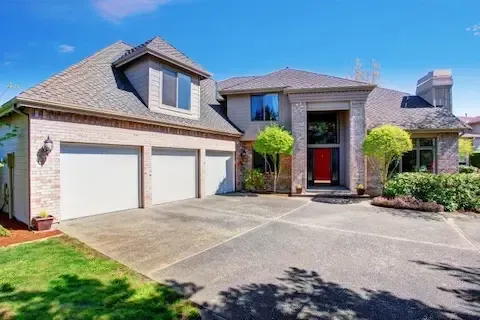
New driveways and replacements built to handle Antioch's expansive clay soil and heavy daily use.
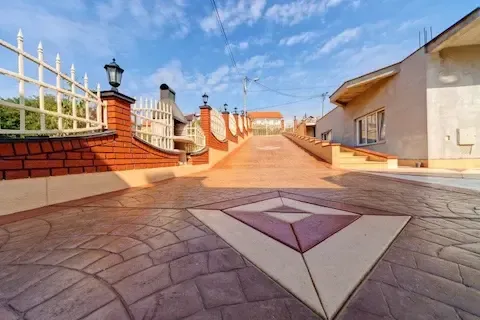
Custom stamped patterns and colors that deliver the look of natural stone at a fraction of the cost.
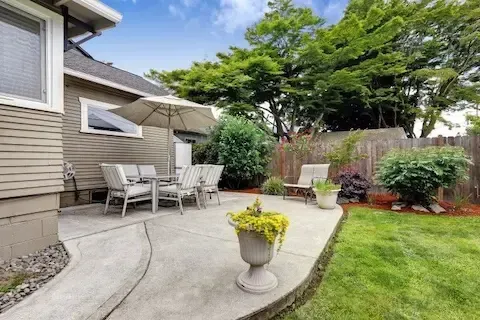
Custom patio designs built for year-round outdoor living in Antioch's warm East Bay climate.
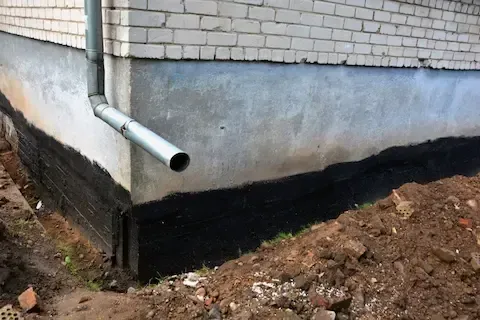
Structural foundation repair solutions designed to address Antioch's expansive clay soil challenges.
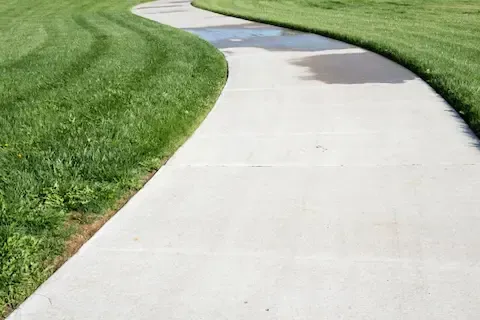
Safe, level sidewalks and walkways installed to Antioch city code and ADA accessibility standards.
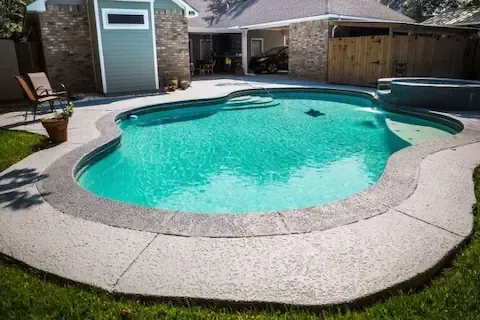
Pool deck construction and resurfacing with cool deck coatings for Antioch's hot summer climate.
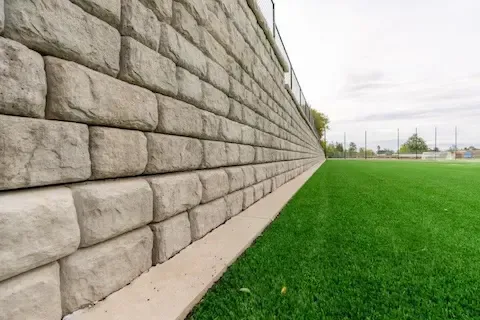
Engineered retaining walls with drainage systems built for Antioch's expansive clay soil conditions.
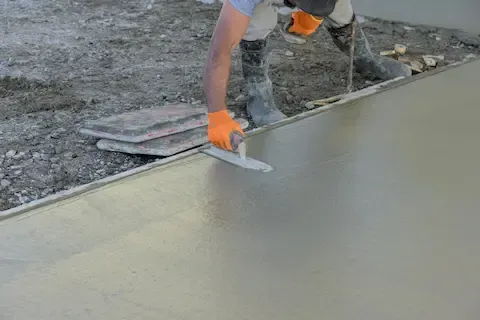
Affordable concrete overlays that restore driveways, patios, and pool decks to like-new condition.
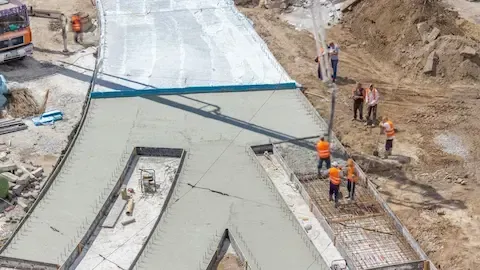
Commercial-grade concrete for parking lots, warehouse floors, and ADA upgrades across East Contra Costa.
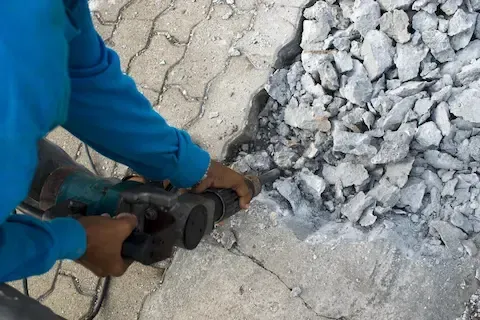
Professional concrete demolition with safe removal, haul-off, and recycling for any size project.
Frequently Asked Questions
Concrete can be complex, and we’re here to provide answers to common questions. Here are some frequently asked questions from our clients.
Frequently Asked Questions about Concrete Contractor
How long does a concrete project take in Antioch?
Most residential concrete projects in Antioch take between 3 to 7 days depending on scope. A standard driveway pour typically requires one day for prep, one for the pour, and several days of curing time. Larger projects like foundations or multi-area patios may extend the timeline. Weather conditions in the East Bay, particularly during summer heat, can also affect scheduling and curing requirements.
What does concrete work cost in the Antioch area?
Costs vary based on the type of work, square footage, site conditions, and finish selection. A basic concrete slab in Antioch typically ranges from $6 to $12 per square foot, while decorative options like stamped concrete run higher. We provide free on-site estimates so you get accurate pricing based on your specific property and project goals rather than rough averages.
Do I need a permit for concrete work in Contra Costa County?
Contra Costa County requires permits for most structural concrete work including foundations, retaining walls over 4 feet, and significant flatwork tied to structures. Standard driveway replacements and patio pours may not require permits depending on scope. We handle the permitting process and ensure all work meets current California building code requirements.
How long will my new concrete last in this climate?
Properly installed and maintained concrete in the Antioch climate can last 25 to 50 years. The key factors are correct subgrade preparation for our expansive clay soils, appropriate control joint placement, proper curing during hot East Bay summers, and periodic sealing. Decorative finishes like stamped concrete benefit from resealing every 2 to 3 years to maintain appearance.
Should I repair or replace my damaged concrete?
It depends on the extent of damage. Surface cracks, minor spalling, and discoloration can often be addressed with resurfacing or overlay systems at a fraction of replacement cost. However, structural issues like heaving from Antioch's expansive clay soils, deep settlement cracks, or severely deteriorated slabs typically require full removal and replacement for a lasting solution.
What is the best time of year to pour concrete in Antioch?
We recommend scheduling concrete work in Antioch during spring or fall when temperatures are moderate and consistent. Pouring in extreme summer heat above 95 degrees requires special precautions to prevent rapid moisture loss and surface cracking. Winter pours are possible but rain delays can extend timelines. We monitor weather conditions closely and schedule pours for optimal curing conditions.
Need Concrete?
What Our Satisfied Clients Have to Say About Antioch Concrete Craftsmen
We pride ourselves on delivering great results and experiences for each client. Hear directly from home and business owners who’ve trusted us with their Concrete needs.

They replaced our entire driveway and built a stamped patio in the backyard. The crew was professional, showed up on time every day, and the finished product looks incredible. They even explained why the soil prep matters so much out here. Highly recommend.
- Antioch Homeowner
We had foundation cracks that were getting worse every summer. They came out, explained exactly what was happening with the clay soil, and fixed the problem completely. Fair price and great communication throughout the entire project.
- Brentwood Property Owner
Hired them to repour our commercial parking lot and install new ADA ramps. They handled all the permits, kept the work on schedule, and our customers barely noticed the construction. Professional operation from start to finish.
- Pittsburg Business Owner
The Trusted Concrete Expert Near You
Ready to hear more about expert services at Antioch Concrete Craftsmen?
Contact us today to receive a detailed, no-obligation quote.

Serving Antioch and the surrounding cities
Mon-Fri, 8am-5pm
