
From Waterfront Lots to Hillside Homes — Your Pittsburg Concrete Contractor
What Pittsburg's Mixed Housing Stock Means for Concrete
Properties throughout Pittsburg reflect a wide range of construction eras and building styles, from older homes in established neighborhoods near the waterfront to recently completed master-planned communities in the southern hills. This diversity means concrete conditions vary dramatically across the city. A driveway in an older neighborhood may sit on a base poured decades ago without modern reinforcement standards, while a walkway in a newer subdivision might already show early signs of settlement as freshly graded fill material consolidates beneath the surface. The waterfront areas along the Sacramento-San Joaquin Delta introduce moisture variables that inland properties do not experience. Higher water tables, periodic tidal influence on groundwater levels, and salt-laden air all affect how concrete cures, ages, and deteriorates over time. Properties near the marina and riverfront require mix designs and sealing strategies that account for this elevated moisture exposure. Hillside communities in the southern portion of the city present the opposite challenge, with slope-related drainage patterns that concentrate water flow against foundations, retaining walls, and downhill flatwork during rain events. Managing water movement across and around concrete surfaces is a central concern on any Pittsburg property regardless of location. The specific strategies change depending on elevation, proximity to water, and the age of existing improvements, but the underlying principle remains constant.
Handling Soil and Moisture Across Pittsburg Properties
Revitalization activity across Pittsburg has brought renewed investment into areas where aging concrete infrastructure needs to keep pace with updated homes and streetscapes. Homeowners renovating older properties frequently discover that original driveways, walkways, and patio surfaces have deteriorated beyond the point where resurfacing provides a lasting solution. Decades of deferred maintenance combined with soil movement and root intrusion from mature landscaping leave slabs that are structurally compromised beneath cosmetically acceptable surfaces. When renovation budgets include concrete replacement, the scope often expands to address drainage corrections, grade adjustments, and accessibility improvements that the original construction did not incorporate. Newer communities like San Marco and Vista Del Mar were built on graded hillside terrain where cut and fill operations created building pads from previously undeveloped land. The fill material used in these grading operations settles at rates that depend on composition, compaction effort, and moisture history. Early concrete work poured on incompletely settled fill can develop movement patterns that do not appear until several years after installation. Recognizing whether cracking or settlement is related to ongoing fill consolidation versus soil expansion is critical for choosing the right repair approach. Addressing the symptom without diagnosing the cause leads to repeated failures and escalating cost over time, which is why accurate site evaluation before any concrete work begins is not optional in this market.
Driveway and Walkway Replacement in Pittsburg
Driveway and walkway replacement across Pittsburg addresses both functional failure and the curb appeal upgrade that accompanies property renovation. Older neighborhoods contain driveways that have served beyond their intended lifespan, with surfaces showing deep scaling, widespread cracking, and sections that have settled unevenly due to soil movement or root activity underneath. Removal and replacement on these properties often reveals subgrade conditions that explain why the original concrete failed, including inadequate base material thickness, poor compaction, or the absence of moisture barriers. Correcting these underlying issues during replacement ensures the new installation outperforms what it replaced. Walkways connecting sidewalks to front entries and running through side yards take concentrated foot traffic on narrow surfaces where edge support and proper slope are essential for both durability and safety. Stepped walkways on sloped lots require careful forming and reinforcement to maintain structural integrity as the soil beneath them shifts through seasonal moisture cycles. In newer neighborhoods, driveway work tends to focus on expanding existing approaches to accommodate additional vehicles, modifying entry configurations during home additions, or upgrading builder-grade finishes to decorative options that reflect the homeowner's design preferences. Regardless of the specific scope, every driveway and walkway project in Pittsburg benefits from installation practices that treat subgrade preparation as the foundation of long-term surface performance.
Foundation Repair and New Construction Footings
Foundation conditions across Pittsburg properties range from structurally sound to actively moving, depending on the age of the home, the soil beneath it, and how well drainage has been managed over the years. Older homes near the waterfront and in established residential areas were built on soils with higher moisture content and sometimes lack the footing depth that current engineering standards require for expansive clay conditions. Signs of foundation distress including cracked drywall, misaligned door frames, and visible separation between structural components indicate that the foundation has moved and may continue moving without intervention. Repair strategies depend on the type and severity of movement. Minor settlement cracks in otherwise stable foundations can often be sealed and monitored, while active movement from soil expansion or consolidation typically requires structural stabilization through pier systems or underpinning. New foundation work for additions, detached accessory units, and garage conversions requires site-specific engineering that accounts for the soil conditions present on that particular lot. Even within a single neighborhood, soil composition can vary enough between properties to change footing depth requirements and reinforcement specifications. Pouring a foundation based on assumptions rather than actual geotechnical data is a risk that reveals itself in cracking, settlement, and structural performance issues that are far more expensive to correct after the fact than to prevent during initial construction.
Stamped Concrete and Surface Restoration
Decorative concrete and surface restoration offer Pittsburg property owners a path to transform tired outdoor spaces without the disruption and expense of full demolition. Stamped concrete patios bring the appearance of natural stone, brick, or wood plank to backyard living areas at a cost that fits within realistic renovation budgets. Color options range from warm sandstone tones that complement stucco exteriors to cool gray palettes suited to contemporary architectural styles showing up in newer construction. For existing surfaces that are structurally intact but visually dated, resurfacing with polymer-modified overlays creates a fresh appearance while adding years of additional service life. These overlay systems bond to properly prepared existing concrete and accept stamping, staining, or textured finishing to achieve almost any aesthetic goal. The preparation process is where success or failure is determined. Surface contaminants, loose material, and existing coatings must be completely removed before the overlay is applied, and all structural cracks need to be addressed with flexible repair materials that prevent reflective cracking through the new surface. Stained concrete offers another option for homeowners seeking color and depth without changing the surface profile. Acid-based and water-based stains penetrate into the concrete matrix to produce translucent color effects that are unique to each application. The combination of proper surface preparation, quality materials, and experienced finishing technique determines whether decorative concrete delivers lasting results or disappointing ones.
Comprehensive Concrete Services in Antioch
Tailored to Your Needs
We offer a complete range of residential and commercial concrete services throughout Antioch and the surrounding East Contra Costa County area. Every project starts with a thorough site evaluation to assess soil conditions, drainage requirements, and structural needs specific to your property. From decorative stamped patios to heavy-duty commercial flatwork, our team has the experience and equipment to handle any concrete project.
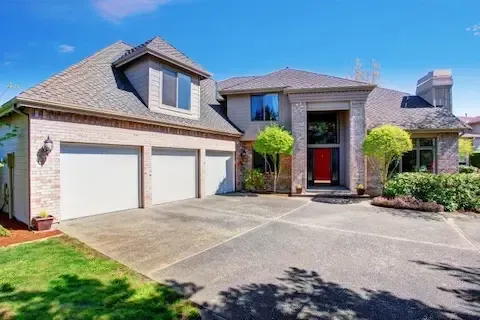
New driveways and replacements built to handle Antioch's expansive clay soil and heavy daily use.
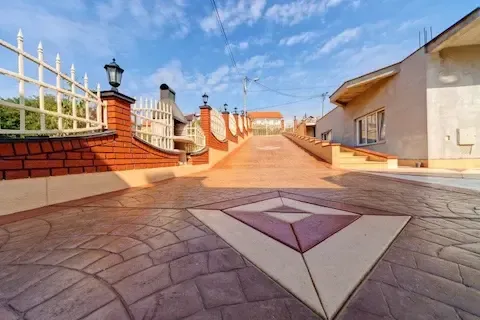
Custom stamped patterns and colors that deliver the look of natural stone at a fraction of the cost.
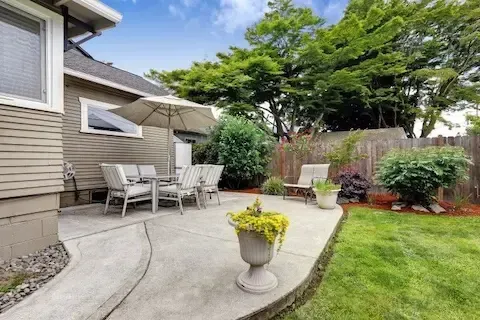
Custom patio designs built for year-round outdoor living in Antioch's warm East Bay climate.
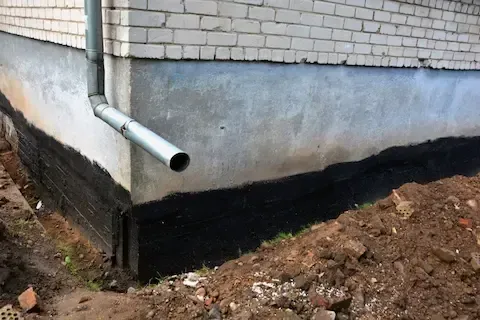
Structural foundation repair solutions designed to address Antioch's expansive clay soil challenges.
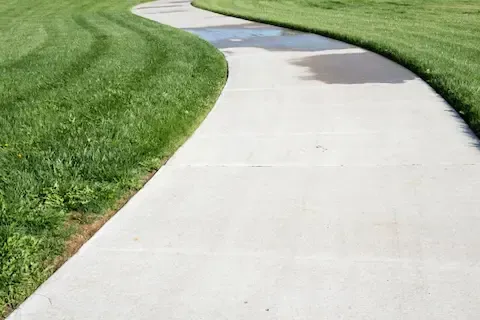
Safe, level sidewalks and walkways installed to Antioch city code and ADA accessibility standards.
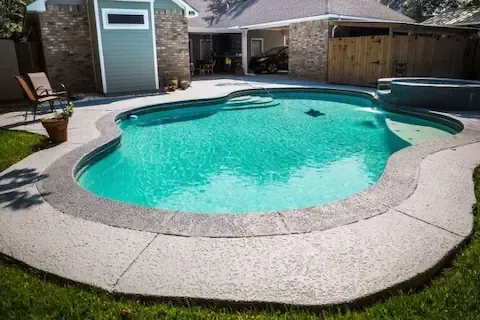
Pool deck construction and resurfacing with cool deck coatings for Antioch's hot summer climate.
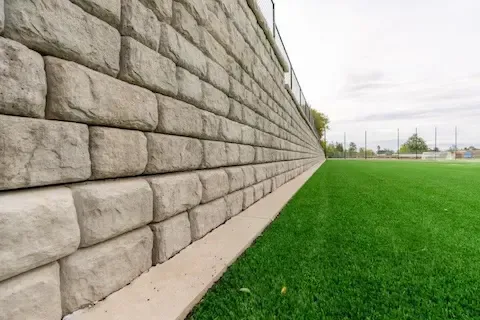
Engineered retaining walls with drainage systems built for Antioch's expansive clay soil conditions.
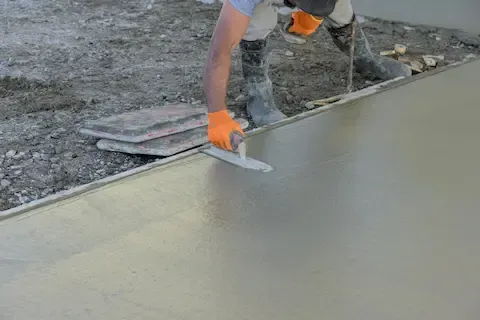
Affordable concrete overlays that restore driveways, patios, and pool decks to like-new condition.
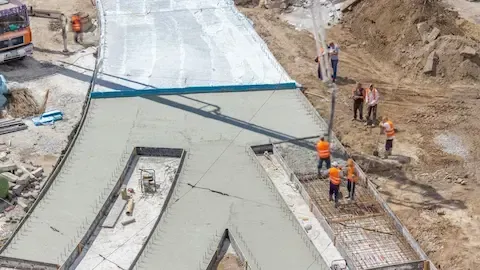
Commercial-grade concrete for parking lots, warehouse floors, and ADA upgrades across East Contra Costa.
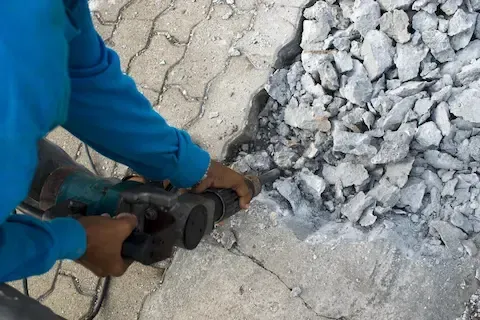
Professional concrete demolition with safe removal, haul-off, and recycling for any size project.
Frequently Asked Questions
Concrete can be complex, and we’re here to provide answers to common questions. Here are some frequently asked questions from our clients.
Frequently Asked Questions about Concrete Contractor
How long does a concrete project take in Antioch?
Most residential concrete projects in Antioch take between 3 to 7 days depending on scope. A standard driveway pour typically requires one day for prep, one for the pour, and several days of curing time. Larger projects like foundations or multi-area patios may extend the timeline. Weather conditions in the East Bay, particularly during summer heat, can also affect scheduling and curing requirements.
What does concrete work cost in the Antioch area?
Costs vary based on the type of work, square footage, site conditions, and finish selection. A basic concrete slab in Antioch typically ranges from $6 to $12 per square foot, while decorative options like stamped concrete run higher. We provide free on-site estimates so you get accurate pricing based on your specific property and project goals rather than rough averages.
Do I need a permit for concrete work in Contra Costa County?
Contra Costa County requires permits for most structural concrete work including foundations, retaining walls over 4 feet, and significant flatwork tied to structures. Standard driveway replacements and patio pours may not require permits depending on scope. We handle the permitting process and ensure all work meets current California building code requirements.
How long will my new concrete last in this climate?
Properly installed and maintained concrete in the Antioch climate can last 25 to 50 years. The key factors are correct subgrade preparation for our expansive clay soils, appropriate control joint placement, proper curing during hot East Bay summers, and periodic sealing. Decorative finishes like stamped concrete benefit from resealing every 2 to 3 years to maintain appearance.
Should I repair or replace my damaged concrete?
It depends on the extent of damage. Surface cracks, minor spalling, and discoloration can often be addressed with resurfacing or overlay systems at a fraction of replacement cost. However, structural issues like heaving from Antioch's expansive clay soils, deep settlement cracks, or severely deteriorated slabs typically require full removal and replacement for a lasting solution.
What is the best time of year to pour concrete in Antioch?
We recommend scheduling concrete work in Antioch during spring or fall when temperatures are moderate and consistent. Pouring in extreme summer heat above 95 degrees requires special precautions to prevent rapid moisture loss and surface cracking. Winter pours are possible but rain delays can extend timelines. We monitor weather conditions closely and schedule pours for optimal curing conditions.
Need Concrete?
What Our Satisfied Clients Have to Say About Antioch Concrete Craftsmen
We pride ourselves on delivering great results and experiences for each client. Hear directly from home and business owners who’ve trusted us with their Concrete needs.

They replaced our entire driveway and built a stamped patio in the backyard. The crew was professional, showed up on time every day, and the finished product looks incredible. They even explained why the soil prep matters so much out here. Highly recommend.
- Antioch Homeowner
We had foundation cracks that were getting worse every summer. They came out, explained exactly what was happening with the clay soil, and fixed the problem completely. Fair price and great communication throughout the entire project.
- Brentwood Property Owner
Hired them to repour our commercial parking lot and install new ADA ramps. They handled all the permits, kept the work on schedule, and our customers barely noticed the construction. Professional operation from start to finish.
- Pittsburg Business Owner
The Trusted Concrete Expert Near You
Ready to hear more about expert services at Antioch Concrete Craftsmen?
Contact us today to receive a detailed, no-obligation quote.

Serving Antioch and the surrounding cities
Mon-Fri, 8am-5pm
