
Concrete Work Shaped by Delta Soil and Oakley's Rapid Residential Growth
How Former Farmland Affects Concrete in Oakley
Most homes in Oakley sit on land that was agricultural just a generation ago. Vineyards, almond orchards, and open pasture were graded into residential lots during a rapid buildout that transformed the community from a farming town into a suburban city within roughly two decades. That conversion timeline matters for concrete performance because the soils underlying these subdivisions carry the moisture history and organic content profile of irrigated farmland rather than undisturbed native ground. Former agricultural soils tend to consolidate differently under structural loading, and the organic material they contain decomposes over time, creating voids and settlement patterns that affect slab stability years after the initial pour. Properties along the eastern edge of Oakley closest to the Delta sit on soils with even higher moisture content and lower bearing capacity due to proximity to the water table. These conditions demand thicker base sections, more robust reinforcement, and curing practices adjusted for the elevated ambient moisture present during much of the year. Even in neighborhoods further from the water, the clay soils common throughout East Contra Costa County produce the familiar expansion and contraction cycle that stresses flatwork, foundations, and retaining structures through every wet-dry seasonal transition. Working effectively on Oakley properties requires understanding not just current soil conditions but the land use history that shaped them.
Delta Proximity and Its Impact on Concrete Longevity
The relative youth of Oakley's housing stock means most concrete surfaces across the city are still within their first or second decade of service. That sounds positive, but it also means many homeowners are encountering their first round of concrete maintenance decisions without the context that comes from living with older surfaces that have already been through multiple repair or replacement cycles. Cracking that appears in a five-year-old driveway feels alarming, but it may represent normal control joint behavior that simply needs monitoring rather than immediate intervention. Alternatively, settlement along one edge of a patio that develops gradually over several years could signal ongoing fill consolidation that will worsen without corrective action. Knowing which conditions require urgent attention and which can be managed with maintenance is the difference between protecting an investment and overspending on unnecessary work. The growth pace in Oakley also means many properties were completed during construction booms when contractor availability was stretched thin and production timelines were compressed. Some of the concrete issues appearing now trace back to rushed subgrade preparation, abbreviated curing periods, or insufficient reinforcement during the original installation. Evaluating the current condition of existing concrete with an understanding of how it was likely installed helps determine whether repair, resurfacing, or full replacement is the most appropriate and cost-effective response for each specific situation.
Flatwork and Driveway Solutions for Oakley Homes
Flatwork across Oakley properties includes driveways handling daily vehicle loads, front walkways connecting entries to the street, side yard paths providing utility access, and rear patio surfaces serving as outdoor living areas during the long warm season. Each application carries distinct requirements for thickness, reinforcement, joint layout, and surface finish, but they all share the same dependency on proper subgrade preparation in soils that carry the legacy of agricultural use. Base compaction standards for former farmland soils differ from those applied to undisturbed native ground, and the moisture conditioning required before compaction adds steps to the preparation process that cannot be skipped without consequences. Driveway approaches in Oakley subdivisions typically serve two-car and three-car garages with apron widths that require multiple control joint lines to manage cracking in a controlled pattern. The connection point between the driveway and the public sidewalk or curb is a common failure location where differential settlement between the two surfaces creates a trip hazard and an entry point for water infiltration beneath the slab edge. Addressing this transition detail during new pours and replacements prevents one of the most frequent issues seen on residential driveways throughout East Contra Costa County. Every flatwork project starts with soil evaluation and ends with a surface engineered to handle its specific loading and environmental exposure conditions.
Flatwork and Driveway Solutions for Oakley Homes
Foundation work on Oakley properties contends with soil conditions shaped by both the Delta proximity and the agricultural history of the land. Homes built on former orchard and vineyard parcels sit on soils that were cultivated, irrigated, and tilled for decades before being graded for residential use. This history affects soil density, moisture retention characteristics, and the rate at which fill material consolidates under the weight of a structure. New foundation pours for room additions, accessory dwelling units, and detached garages require engineering that accounts for these conditions rather than relying on standard specifications developed for different soil types. Footing depth, width, and reinforcement details all need to reflect what the geotechnical investigation reveals about the specific building site. Existing foundations showing signs of movement need careful assessment to determine whether the issue stems from seasonal clay expansion, ongoing fill settlement, or moisture management problems around the foundation perimeter. Each cause requires a different repair strategy, and applying the wrong approach wastes money without solving the underlying problem. Pier installation stabilizes foundations experiencing settlement by transferring structural loads to competent bearing strata below the problem soils. Crack sealing addresses cosmetic issues on otherwise stable foundations. Drainage corrections around the perimeter reduce the moisture fluctuations that drive expansive soil movement against foundation walls and footings.
Flatwork and Driveway Solutions for Oakley Homes
Outdoor living spaces across Oakley take full advantage of the extended warm season, and concrete patios, pool decks, and outdoor kitchen pads form the foundation of these backyard environments. Design options range from simple broom-finish surfaces that prioritize function and budget to stamped and stained decorative installations that create outdoor rooms with the visual character of natural stone or tile. The choice between finish types depends on the intended use of the space, sun exposure patterns across the specific yard, and the homeowner's priorities for appearance versus long-term maintenance requirements. Pool decks require particular attention to surface temperature, slip resistance, and drainage. Cool deck coatings reduce surface heat significantly compared to standard concrete, making barefoot use comfortable during the hottest months. Textured finishes and anti-slip additives in sealers provide the traction needed on wet surfaces around pool coping and splash zones. Proper slope away from the pool edge and toward deck drains prevents standing water that creates both safety hazards and surface deterioration over time. For homeowners upgrading existing patios and outdoor areas, resurfacing with overlay systems offers a mid-cost option between living with deteriorated surfaces and funding complete demolition and replacement. When the existing slab is structurally sound, an overlay provides a fresh surface with decorative options that transform the space at a fraction of full replacement cost.
Comprehensive Concrete Services in Antioch
Tailored to Your Needs
We offer a complete range of residential and commercial concrete services throughout Antioch and the surrounding East Contra Costa County area. Every project starts with a thorough site evaluation to assess soil conditions, drainage requirements, and structural needs specific to your property. From decorative stamped patios to heavy-duty commercial flatwork, our team has the experience and equipment to handle any concrete project.
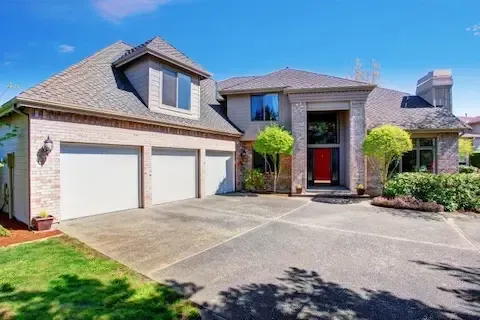
New driveways and replacements built to handle Antioch's expansive clay soil and heavy daily use.
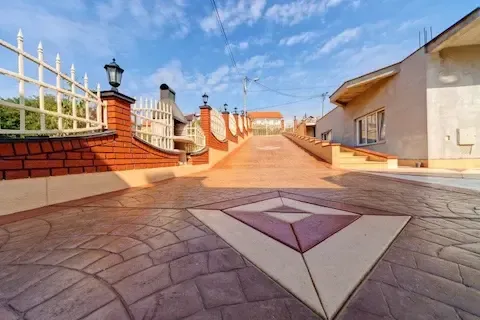
Custom stamped patterns and colors that deliver the look of natural stone at a fraction of the cost.
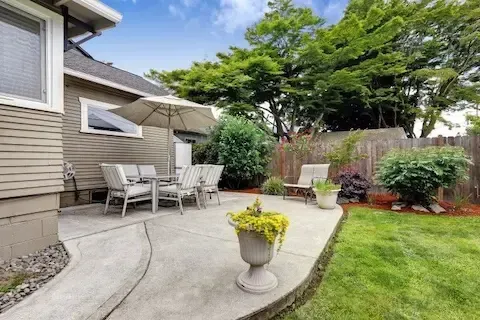
Custom patio designs built for year-round outdoor living in Antioch's warm East Bay climate.
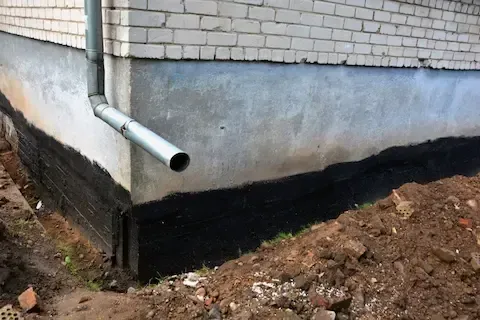
Structural foundation repair solutions designed to address Antioch's expansive clay soil challenges.
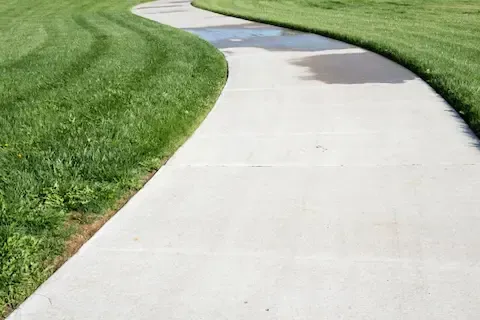
Safe, level sidewalks and walkways installed to Antioch city code and ADA accessibility standards.
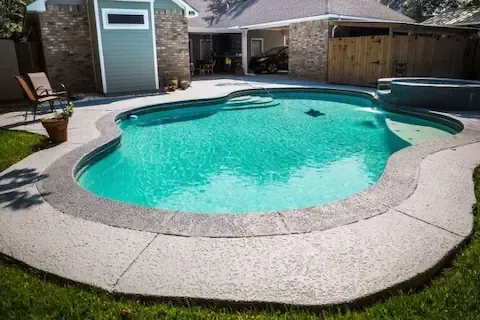
Pool deck construction and resurfacing with cool deck coatings for Antioch's hot summer climate.
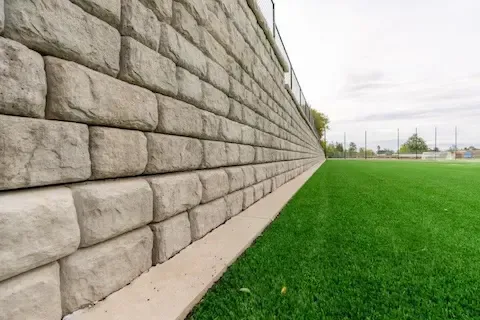
Engineered retaining walls with drainage systems built for Antioch's expansive clay soil conditions.
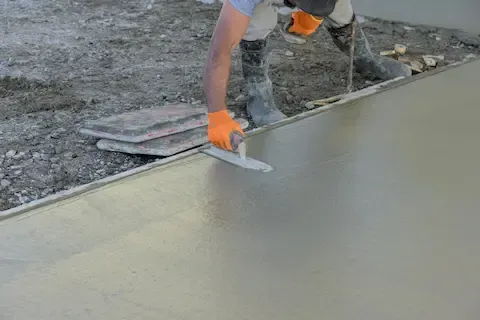
Affordable concrete overlays that restore driveways, patios, and pool decks to like-new condition.
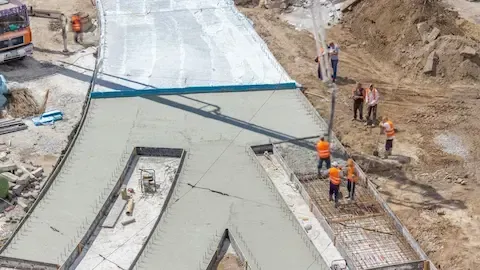
Commercial-grade concrete for parking lots, warehouse floors, and ADA upgrades across East Contra Costa.
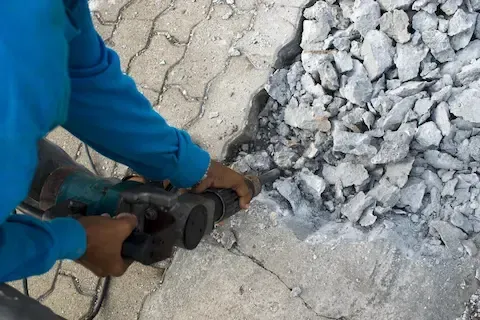
Professional concrete demolition with safe removal, haul-off, and recycling for any size project.
Frequently Asked Questions
Concrete can be complex, and we’re here to provide answers to common questions. Here are some frequently asked questions from our clients.
Frequently Asked Questions about Concrete Contractor
How long does a concrete project take in Antioch?
Most residential concrete projects in Antioch take between 3 to 7 days depending on scope. A standard driveway pour typically requires one day for prep, one for the pour, and several days of curing time. Larger projects like foundations or multi-area patios may extend the timeline. Weather conditions in the East Bay, particularly during summer heat, can also affect scheduling and curing requirements.
What does concrete work cost in the Antioch area?
Costs vary based on the type of work, square footage, site conditions, and finish selection. A basic concrete slab in Antioch typically ranges from $6 to $12 per square foot, while decorative options like stamped concrete run higher. We provide free on-site estimates so you get accurate pricing based on your specific property and project goals rather than rough averages.
Do I need a permit for concrete work in Contra Costa County?
Contra Costa County requires permits for most structural concrete work including foundations, retaining walls over 4 feet, and significant flatwork tied to structures. Standard driveway replacements and patio pours may not require permits depending on scope. We handle the permitting process and ensure all work meets current California building code requirements.
How long will my new concrete last in this climate?
Properly installed and maintained concrete in the Antioch climate can last 25 to 50 years. The key factors are correct subgrade preparation for our expansive clay soils, appropriate control joint placement, proper curing during hot East Bay summers, and periodic sealing. Decorative finishes like stamped concrete benefit from resealing every 2 to 3 years to maintain appearance.
Should I repair or replace my damaged concrete?
It depends on the extent of damage. Surface cracks, minor spalling, and discoloration can often be addressed with resurfacing or overlay systems at a fraction of replacement cost. However, structural issues like heaving from Antioch's expansive clay soils, deep settlement cracks, or severely deteriorated slabs typically require full removal and replacement for a lasting solution.
What is the best time of year to pour concrete in Antioch?
We recommend scheduling concrete work in Antioch during spring or fall when temperatures are moderate and consistent. Pouring in extreme summer heat above 95 degrees requires special precautions to prevent rapid moisture loss and surface cracking. Winter pours are possible but rain delays can extend timelines. We monitor weather conditions closely and schedule pours for optimal curing conditions.
Need Concrete?
What Our Satisfied Clients Have to Say About Antioch Concrete Craftsmen
We pride ourselves on delivering great results and experiences for each client. Hear directly from home and business owners who’ve trusted us with their Concrete needs.

They replaced our entire driveway and built a stamped patio in the backyard. The crew was professional, showed up on time every day, and the finished product looks incredible. They even explained why the soil prep matters so much out here. Highly recommend.
- Antioch Homeowner
We had foundation cracks that were getting worse every summer. They came out, explained exactly what was happening with the clay soil, and fixed the problem completely. Fair price and great communication throughout the entire project.
- Brentwood Property Owner
Hired them to repour our commercial parking lot and install new ADA ramps. They handled all the permits, kept the work on schedule, and our customers barely noticed the construction. Professional operation from start to finish.
- Pittsburg Business Owner
The Trusted Concrete Expert Near You
Ready to hear more about expert services at Antioch Concrete Craftsmen?
Contact us today to receive a detailed, no-obligation quote.

Serving Antioch and the surrounding cities
Mon-Fri, 8am-5pm
